CED PAINT PIPING SYSTEM
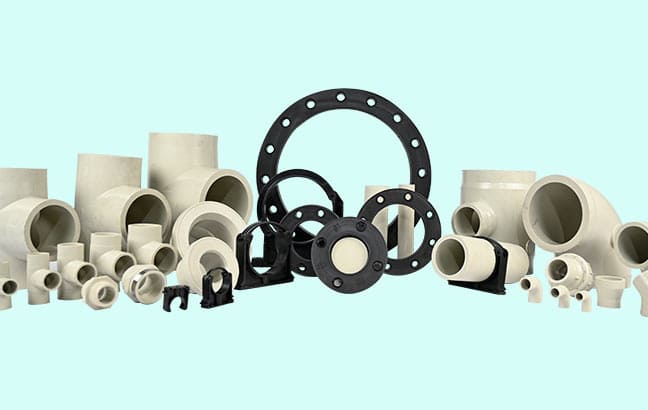
CED Paint Piping System — Precision Piping for Cathodic Electrodeposition Paint Lines
DeltaFlow Solutions Pvt. Ltd. is a Pune-based specialist in designing, fabricating, and installing CED Paint Piping Systems for automotive OEMs, auto component manufacturers, and industrial paint shops across India. Cathodic Electrodeposition (CED or e-coating) is one of the most demanding paint processes in industrial coating, relying on precisely controlled paint circulation, ultrafiltration (UF), and rinse systems to deposit a uniform, corrosion-resistant coating on metal components. Piping used in a CED line must handle continuous paint circulation, ultrafiltrate transfer, and DM water rinsing without introducing contamination, air entrainment, or flow disruption that could compromise coating quality.
With over 21 years of experience in thermoplastic piping and DVS (R) certified fusion welding expertise, DeltaFlow engineers and installs CED paint piping systems using PP, PVDF, and CPVC materials that are purpose-built to meet these precision requirements. From CED tank circulation piping to UF permeate lines and multi-stage rinse systems, our piping solutions are trusted by paint shop process engineers who cannot afford contamination, flow imbalance, or downtime in a continuously running e-coat line.
Understanding the Unique Demands of CED Paint Piping Systems
Unlike general chemical transfer piping, CED paint piping operates within a tightly controlled process where paint solids concentration, conductivity, pH, and flow velocity must remain within narrow tolerances to achieve consistent film build and coating quality. The piping network must continuously circulate paint through the CED tank, agitation nozzles, and ultrafiltration units without introducing air, particulate contamination, or dead zones where paint solids could settle and degrade.
This is why CED paint lines cannot rely on generic industrial piping materials or standard installation practices. Every material used — from the base resin to the fusion welding technique used to join pipe sections — must be selected and executed with flow consistency and contamination control as the primary design criteria. DeltaFlow's engineering team works closely with paint shop process engineers to understand circulation flow rates, UF system integration, rinse stage sequencing, and tank geometry before finalizing piping design and material selection.
Why CED Paint Lines Need Specialized Piping
CED paint lines depend on continuous, well-balanced paint circulation and rinse water flow at every stage of the e-coating process to achieve uniform film build and defect-free coating on every component. Even minor piping issues — a partially blocked nozzle line, an air pocket, or a poorly welded joint that sheds particulate — can translate directly into coating defects, rework, and rejected parts on a high-volume automotive production line.
Standard mild steel or PVC piping is often unsuitable for these applications: metal piping can corrode and introduce iron contamination into the paint bath, disrupting the electrodeposition process, while standard PVC lacks the chemical resistance needed for long-term contact with CED paint chemistry and cleaning agents. This is precisely why CED paint piping systems require corrosion-resistant, low-contamination thermoplastic materials, precise prefabrication, and rigorous flow-balancing during installation — standards that DeltaFlow's PP, PVDF, and CPVC piping systems are engineered to meet consistently.
Key Features of DeltaFlow's CED Paint Piping System
- CED Tank Circulation Piping: Continuous circulation through the CED tank and agitation nozzles is essential to maintaining uniform paint solids distribution. Our PP and CPVC piping systems are engineered for consistent flow delivery to agitation headers, with fusion-welded joints that eliminate leak points common in threaded or glued connections.
- Ultrafiltration (UF) Permeate and Retentate Piping: UF systems separate paint solids from the ultrafiltrate used for rinsing. DeltaFlow fabricates the interconnecting piping between the CED tank, UF membranes, and rinse stages to maintain process integrity.
- Multi-Stage Rinse Water Piping: CED lines use a sequence of UF permeate and DM water rinse stages to remove excess paint from coated components before curing. Our piping systems maintain consistent rinse water quality and flow across each stage.
- DM Water Supply Piping: Final rinse stages require demineralized water to avoid introducing minerals or contaminants onto the freshly coated surface. Our piping preserves water purity from the treatment plant to the point of use.
- Chemical Dosing and pH Adjustment Piping: Maintaining CED bath chemistry within specification requires precise chemical dosing. Our small-bore dosing piping is engineered for accurate, leak-free delivery.
- Sludge and Waste Transfer Piping: Paint solids and spent rinse water must be safely transferred for treatment or disposal. Our transfer piping is built to handle these process waste streams reliably.
Industrial Applications of CED Paint Piping System
- High Chemical Resistance: PP, PVDF, and CPVC withstand prolonged exposure to CED paint chemistry, ultrafiltrate, and cleaning agents used across the e-coating process, without degrading or contaminating the paint bath.
- Low Contamination, Corrosion-Free Fluid Path: Unlike metal piping, these thermoplastic materials do not corrode or introduce metallic particulate into the paint circulation system, helping maintain consistent coating quality and finish.
- DVS-Certified Fusion Joints: DVS-certified butt fusion, socket fusion, and electrofusion welding create homogeneous joints that eliminate leak points and particulate ingress at connections, a critical requirement for defect-free e-coating.
- Flow-Balanced Circulation Design: DeltaFlow's piping layouts are engineered to maintain the consistent flow rates and pressure balance required across CED tank agitation nozzles and UF systems.
- Stable Performance Across Operating Conditions: PP, PVDF, and CPVC maintain consistent mechanical and chemical performance across the range of temperatures and flow conditions typically encountered in CED paint line operation.
Our Engineering & Quality Approach for CED Paint Line Projects
- DeltaFlow follows a disciplined engineering and quality process for every CED paint piping project. This begins with a detailed review of paint chemistry, circulation flow rates, and UF system requirements, followed by piping design with careful attention to flow balance and dead-leg elimination, prefabrication under controlled shop conditions, and DVS-certified on-site installation. Every completed piping run undergoes pressure testing and flow verification before handover — ensuring that the installed system supports consistent coating quality from day one and continues to perform reliably across continuous production operation.
Why Automotive & Coating Companies Choose DeltaFlow
- DeltaFlow's team brings hands-on experience delivering precision piping installations that meet the exacting flow and contamination-control requirements of CED paint lines in automotive and industrial manufacturing. From design and material selection to DVS-certified fabrication, flow testing, and commissioning, our engineers ensure that piping systems support consistent, defect-free e-coating performance.
- With an extensive inventory of PP, PVDF, and CPVC pipes and fittings, along with a trained, DVS-certified installation team based in Pune, DeltaFlow is positioned to support automotive OEMs and paint shop operators across India with dependable, on-time piping project execution — whether for a new CED line build-out, a capacity expansion, or the replacement of aging metal piping.
Common Project Types We Support
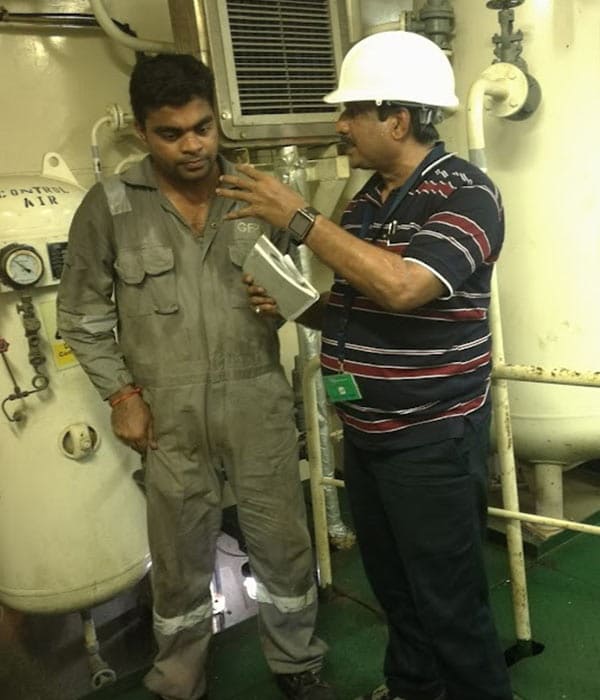
CED paint piping system Design & Detailing
DeltaFlow's CED paint piping expertise extends across multiple project types, allowing us to support paint shop operators and EPC contractors at every stage of a CED line's lifecycle. This includes greenfield CED line installations where piping is designed and installed alongside new paint shop construction, capacity expansion projects where new circulation and rinse piping must be integrated into an operating line with minimal disruption, and retrofit projects where aging metal piping is replaced with corrosion-resistant thermoplastic systems to improve coating consistency.
We also support CED equipment and UF system OEMs who require precision-fabricated piping sub-assemblies as part of their line build process, delivering consistent quality and documentation that meets paint shop qualification requirements.
Get QuoteFAQs About Semiconductor Utility Piping
Q1. What is a CED paint piping system used for?
A CED paint piping system is used to circulate cathodic electrodeposition paint, transfer ultrafiltrate, and supply rinse water across the various stages of an automotive or industrial e-coating line.
Q2. Why is metal piping avoided in CED paint circulation systems?
Metal piping can corrode and introduce iron contamination into the paint bath, which disrupts the electrodeposition process and can cause coating defects, making corrosion-resistant thermoplastic piping the preferred choice.
Q3. Can DeltaFlow design piping for ultrafiltration (UF) system integration?
Yes, DeltaFlow fabricates the interconnecting piping between the CED tank, UF membranes, and rinse stages to maintain flow balance and process integrity across the e-coating line.
Q4. Why is flow balance important in CED paint piping design?
Consistent flow to agitation nozzles and rinse stages is essential for uniform paint film build; DeltaFlow's piping layouts are specifically engineered to maintain this flow balance across the line.
Q5. Does DeltaFlow supply piping for DM water rinse systems on CED lines?
DeltaFlow supplies and installs PP, PVDF, and CPVC piping systems engineered to preserve DM water purity through the multi-stage rinse sequence used in CED paint lines.