
CHEMICAL RESISTANT PIPING SYSTEM
Chemical Resistant Piping System
Corrosive chemicals, whether strong acids, caustic alkalis, solvents, or oxidising agents, can destroy metallic piping in a matter of months, leading to leaks, contamination, environmental incidents, and expensive unplanned shutdowns. A chemical resistant piping system, engineered from the correct thermoplastic material, eliminates this risk by offering inherent resistance to chemical attack across the full life of the pipeline. DF Piping specialises in designing, fabricating and installing chemical resistant piping systems tailored to the specific chemical environment of each client's process, drawing on chemical compatibility data, materials engineering, and precise fusion welding to deliver systems that stay leak-free for years of continuous service.
What is a chemical resistant piping system?
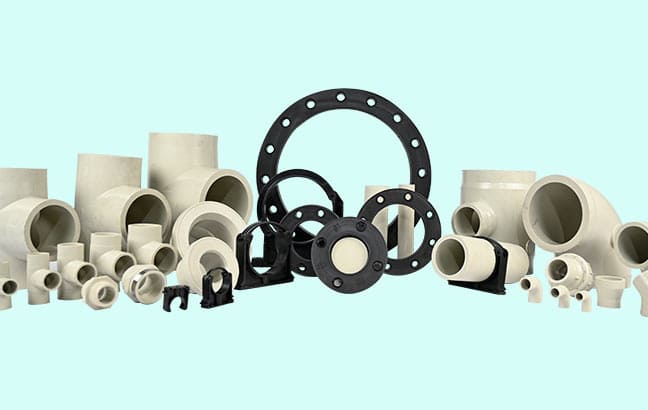
A chemical resistant piping system is a fluid-handling network built from materials specifically chosen for their resistance to the chemicals they will carry, rather than a generic pipe material applied regardless of service conditions. Selecting the right material requires reviewing chemical compatibility charts against the specific chemical, its concentration, and the operating temperature, since resistance can vary significantly with these factors. Common chemical-resistant materials include polypropylene (PP and PPH), PVDF, HDPE, PVC, and CPVC, each offering different resistance profiles. A properly engineered chemical resistant piping system also accounts for correct jointing methods, support design, and, where necessary, secondary containment to fully protect against chemical exposure risk.
Why Choose DF Piping
- Detailed chemical compatibility review before material selection, considering concentration and temperature effects.
- Multi-material capability across PP, PPH, PVDF, HDPE, PVC and CPVC to match the right resin to each application.
- Certified fusion welding expertise ensuring joints are as chemically resistant as the parent pipe material.
- Support and containment design that accounts for chemical spill and leak protection where required.
- A strong project history delivering chemical resistant piping for chemical, pharmaceutical and industrial clients.
DF Piping applies a rigorous, engineering-led approach to chemical resistant piping, ensuring the material and design genuinely match the client's process conditions.
Materials & Technologies We Use
- Polypropylene (PP/PPH) for broad resistance to acids, alkalis and many solvents at moderate to elevated temperatures.
- PVDF for the most aggressive chemicals, including strong oxidisers and halogenated compounds.
- HDPE for many chemicals along with excellent impact and abrasion resistance.
- PVC and CPVC for water-based chemicals and moderate-strength acids and alkalis.
DF Piping's chemical resistant piping systems draw on a full range of thermoplastic materials, each offering distinct resistance characteristics.
Industries We Serve
- Chemical and petrochemical processing
- Metal finishing and electroplating
- Pharmaceutical and biotechnology manufacturing
- Textile dyeing and finishing
- Water and wastewater treatment
- Semiconductor and electronics fabrication
Industries handling aggressive chemicals rely on DF Piping's chemical resistant piping systems to protect their processes and infrastructure.
Key Applications
- Acid and alkali storage and transfer lines
- Chemical drain and neutralisation systems
- Effluent treatment plant piping networks
- Scrubber and fume treatment interconnecting pipework
- Chemical dosing and dispense systems
Common applications for DF Piping's chemical resistant piping systems include:
Benefits of Choosing DF Piping
- Reduced risk of chemical leaks that could harm personnel, damage equipment, or trigger environmental compliance issues.
- Lower lifecycle maintenance costs, since correctly selected materials avoid the premature degradation that leads to frequent repairs.
- Improved process reliability, with fewer unplanned shutdowns caused by piping failures.
- Protection of product quality where chemical purity affects downstream manufacturing outcomes.
- Peace of mind for plant management, knowing the piping system was engineered specifically for the chemicals it carries.
A correctly engineered chemical resistant piping system protects your plant from risks that extend well beyond the cost of the piping itself.
Common Challenges We Solve
One of the most common and costly mistakes in industrial piping is selecting a material based on cost or general familiarity rather than verified chemical compatibility. A material that performs well with one concentration or temperature of a chemical can fail rapidly under slightly different conditions, leading to swelling, embrittlement, or permeation that eventually causes leaks. DF Piping avoids this risk by grounding every material recommendation in detailed compatibility review specific to the client's actual process conditions, rather than generic assumptions. This careful, conditions-specific approach to chemical resistant piping design is why our systems consistently perform reliably in demanding chemical service, protecting both plant safety and operational continuity.
Quality Standards & Compliance
- Delivering a genuinely chemical resistant piping system starts with accurate material selection, informed by detailed chemical compatibility data rather than assumption. DF Piping's engineering team reviews the specific chemical, its concentration and the operating temperature range before recommending a material, since chemical resistance can change significantly under different conditions. Fabrication is performed using certified fusion welding techniques appropriate to the chosen material, ensuring joints offer the same chemical resistance as the parent pipe. Systems are pressure tested before commissioning, and where the application involves particularly hazardous chemicals, we can also advise on secondary containment or leak detection measures to add an additional layer of protection.
Our Process
- Our process for delivering a chemical resistant piping system begins with a technical questionnaire covering the chemicals involved, their concentrations, operating temperatures, and any special handling considerations. Based on this data, our engineering team selects the appropriate material and prepares design drawings, including support and expansion calculations. Fabrication and installation follow using certified welding procedures matched to the selected material, and the completed system undergoes pressure testing before being placed into service. Throughout the project, we maintain documentation that supports the client's own safety and regulatory compliance records.
FAQs About Chemical Resistant Piping System
Q1. How do you determine which material is chemical resistant enough for my application?
We review detailed chemical compatibility data against the specific chemical, its concentration and the operating temperature to identify the material that will provide reliable long-term resistance.
Q2. Can chemical resistant piping handle high-temperature chemicals?
Yes, materials like PVDF and PPH are engineered for elevated-temperature chemical service, and our team selects the appropriate material based on your specific operating conditions.
Q3. What happens if the wrong material is chosen for a chemical application?
Using an incompatible material can lead to swelling, cracking, embrittlement or permeation, potentially causing leaks and process contamination — which is why careful material selection is critical.
Q4. Do you offer secondary containment for highly hazardous chemicals?
Yes, for applications involving particularly hazardous chemicals, we can incorporate secondary containment or leak detection measures into the piping system design.
Q5. Which materials does DF Piping use for chemical resistant piping?
We work with PP, PPH, PVDF, HDPE, PVC and CPVC, selecting the material that best matches your specific chemical resistance and temperature requirements.
Q6. Can chemical resistant piping be used for mixed-chemical waste streams?
Yes, though the material must be selected based on the most aggressive chemical component in the stream, which our engineering team evaluates during the design phase.
Q7. How often should chemical resistant piping be inspected?
Inspection frequency depends on the severity of service, but periodic visual inspection at joints and supports is generally recommended to catch early signs of wear before they develop into leaks.
Choosing the Right Partner
Building a chemical resistant piping system that performs reliably over the long term also depends on how the system is operated and maintained after installation, not just how it is designed and built. We recommend that clients maintain records of any changes in process chemistry, since a change in chemical concentration or the introduction of a new process chemical can affect whether the originally selected piping material remains suitable. DF Piping's engineering team is available to review process changes against the installed piping material and advise whether any modifications are needed to maintain chemical resistance. We also recommend periodic visual inspection of chemical piping systems, particularly at joints and support points, to identify any early signs of degradation before they develop into leaks. This ongoing partnership approach, rather than a one-time transactional relationship, is how DF Piping helps clients protect their investment in chemical resistant piping infrastructure over its full operational life.
Industry Outlook
As environmental and safety regulations around chemical handling continue to tighten across India, the importance of properly engineered chemical resistant piping systems has grown correspondingly, with regulators and insurers alike placing greater scrutiny on the integrity of chemical containment and transfer infrastructure. This regulatory evolution is prompting more industrial facilities to move away from generic piping solutions toward properly engineered, chemical-specific systems designed by specialists who understand compatibility requirements in depth. DF Piping welcomes this shift, as it aligns closely with the engineering-led approach we have always applied to chemical resistant piping projects. We continue to invest in expanding our chemical compatibility knowledge base and material capability, ensuring we can support Indian industry's evolving needs as chemical handling standards continue to rise across the country's manufacturing and processing sectors.
Conclusion
Protect your process and your plant from the costly effects of chemical corrosion with a properly engineered chemical resistant piping system from DF Piping. Contact our team to review your application.
Built for Demanding Industrial Applications
- Corrosion-resistant piping systems
- Precision-engineered installations
- Reliable fusion welding technology
- Complete project support