
THERMOPLASTIC PIPING SOLUTIONS
Thermoplastic Piping Solutions
Modern industrial plants rely on fluid-handling systems that can withstand aggressive chemicals, extreme temperatures, and continuous operating pressure without corroding or contaminating the process. Thermoplastic piping solutions have become the preferred choice for these demanding environments because thermoplastics resist chemical attack, offer smooth interior surfaces that reduce fouling, and can be fusion-welded into completely homogeneous, leak-free systems. DF Piping provides end-to-end thermoplastic piping solutions, engineering complete systems that are tailored to the specific chemical, thermal, and mechanical demands of each client's process. Our solutions span everything from material selection and stress analysis to fabrication, site installation and validation testing, giving industrial clients a dependable piping infrastructure engineered for long-term reliability.
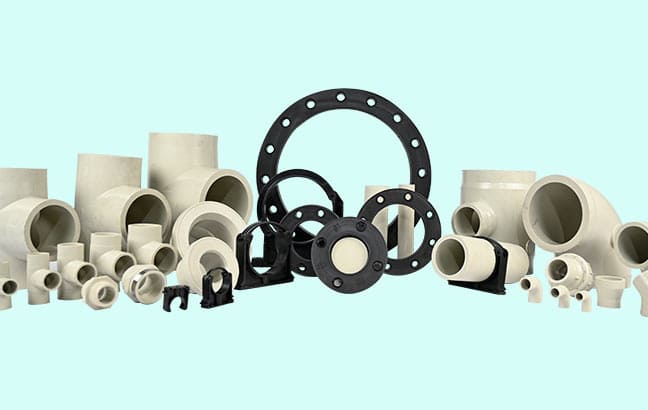
What Is Thermoplastic Piping Solutions?
Thermoplastic piping solutions refer to the complete engineering package built around plastic pipe systems — including material selection, jointing technology, support design, and system validation — rather than simply supplying pipe and fittings. Thermoplastics such as polypropylene, PVDF, HDPE, PVC, CPVC and PPH each behave differently under heat, pressure and chemical exposure, so an effective solution must account for thermal expansion, chemical permeation resistance, UV stability for outdoor runs, and the correct jointing method, whether that is butt fusion, socket fusion, electrofusion or solvent cementing. A genuine thermoplastic piping solution considers the entire lifecycle of the system: how it will be supported, how it will expand and contract with temperature swings, how it will be tested, and how it will be maintained once commissioned.
Why Choose DF Piping
- Comprehensive engineering support including thermal expansion calculations, support spacing design and stress analysis.
- Multi-material capability spanning PP, PVDF, HDPE, PVC, CPVC and PPH, so the right resin is chosen for each duty rather than a one-size-fits-all approach.
- Skilled, certified welding teams experienced across butt fusion, socket fusion, electrofusion and hot-gas welding.
- Rigorous factory acceptance and site testing protocols that validate system integrity before handover.
- Proven delivery record on projects for pharmaceutical, semiconductor, chemical and water treatment clients across India.
DF Piping has developed deep technical expertise in thermoplastic piping solutions through years of executing complex projects for regulated and process-intensive industries.
Materials & Technologies We Use
- Polypropylene (PP) for cost-effective handling of a broad range of chemicals at moderate temperatures.
- PVDF for high-purity and highly corrosive duties requiring excellent chemical and thermal resistance.
- HDPE for buried utility lines, large-bore water transport and ducting where flexibility and impact resistance matter.
- PVC and CPVC for water, wastewater and general chemical service where economy is important.
- PPH for hot acid drainage and elevated temperature chemical transport.
Our thermoplastic piping solutions draw on a full portfolio of engineering-grade resins, each selected to match specific application requirements.
Industries We Serve
- Pharmaceutical and life sciences manufacturing
- Semiconductor and electronics fabrication
- Specialty and bulk chemical processing
- Water, wastewater and desalination plants
- Power and utility infrastructure
- Food, beverage and dairy processing
Thermoplastic piping solutions from DF Piping serve industries where chemical resistance, purity or corrosion protection is mission-critical.
Key Applications
- Corrosive chemical transfer and drainage networks
- High-purity water and reagent distribution
- Process cooling and chilled water circuits
- Compressed air and specialty gas distribution
- Effluent and waste collection systems
- Fume extraction and exhaust ducting
Typical thermoplastic piping solution scopes delivered by DF Piping include:
Benefits of Choosing DF Piping
- Reduced lifecycle costs through materials chosen specifically for chemical and thermal compatibility, avoiding premature replacement.
- Improved plant safety, since properly designed systems reduce the risk of leaks involving hazardous or corrosive fluids.
- Better system reliability through engineering that accounts for thermal expansion, support spacing and pressure ratings from the outset.
- Simplified maintenance, as complete documentation makes it easier for plant engineers to understand and service the installed system.
- Confidence in regulatory compliance for industries where piping material and installation quality are subject to audit.
A well-engineered thermoplastic piping solution delivers tangible operational advantages compared to ad-hoc piping procurement and installation.
Common Challenges We Solve
Many industrial facilities have experienced the consequences of treating plastic piping as a simple commodity purchase rather than an engineered solution — pipes sized without proper hydraulic calculation, supports spaced too far apart for the operating temperature, or joints welded without documented quality control. These shortcuts often surface as problems only after the system has been in service for some time, by which point remediation is far more disruptive and expensive than getting the design right initially. DF Piping's thermoplastic piping solutions are built to avoid these pitfalls from the start, with engineering calculations, certified welding, and thorough testing built into every project, so clients can trust that the system installed today will still be performing reliably years down the line.
Quality Standards & Compliance
- Quality is engineered into every thermoplastic piping solution DF Piping delivers, starting with material traceability documentation for every batch of pipe and fittings we procure. Our welding teams are trained and periodically re-certified on fusion procedures aligned with DVS and ASTM guidelines, and every joint is logged with its process parameters for future reference. Before commissioning, systems are subjected to hydrostatic or pneumatic pressure testing appropriate to the service conditions, and critical welds can be examined using non-destructive methods on request. This structured quality approach means clients receive not just pipe and fittings, but a complete, validated system engineered to perform reliably for its intended service life.
Our Process
- Our thermoplastic piping solution delivery begins with understanding the client's process conditions — chemical composition, concentration, temperature, pressure and flow rate — so the correct material and wall thickness can be specified. Engineering drawings and thermal expansion calculations follow, after which spools are prefabricated under controlled workshop conditions wherever practical to maximise weld quality. Site teams then erect, align and support the piping according to approved drawings, followed by pressure testing, flushing and, where required, passivation. A full documentation package, including isometrics, weld logs and material certificates, is handed over so the plant has a complete record of the installed system.
FAQs About Thermoplastic Piping Solutions
Q1. What makes a thermoplastic piping solution different from just buying pipe and fittings?
A true solution includes engineering design, thermal expansion and support calculations, certified fusion welding, and validation testing — not just the supply of components.
Q2. Which thermoplastic material should I choose for my process?
It depends on the chemical, its concentration, operating temperature and pressure. Our engineering team reviews your process data and recommends the most suitable material, whether PP, PVDF, HDPE, PVC, CPVC or PPH.
Q3. Can thermoplastic piping handle high-temperature applications?
Yes, materials like PVDF and PPH are engineered for elevated temperature service, though the exact limits depend on the specific chemical and pressure conditions, which our team evaluates during design.
Q4. Do you provide testing and validation after installation?
Yes, all systems undergo hydrostatic or pneumatic pressure testing, and documentation is provided to support commissioning and regulatory compliance.
Q5. Can DF Piping retrofit thermoplastic piping into an existing plant?
Yes, we regularly execute retrofit and revamp projects, working around live plant constraints to install new thermoplastic systems with minimal disruption.
Q6. How do you handle projects that involve multiple thermoplastic materials in one system?
Our engineering team designs mixed-material systems where different sections of a network require different resins, ensuring correct transition fittings and compatible support design across the entire installation.
Q7. Is thermoplastic piping suitable for outdoor or exposed installations?
Yes, with appropriate UV-stabilised materials or protective coatings specified during design, thermoplastic piping performs reliably in outdoor and exposed industrial environments.
Choosing the Right Partner
When evaluating thermoplastic piping solution providers, look beyond the headline price and consider the full scope of engineering support offered. A provider that simply quotes pipe and fittings without reviewing your process conditions is not offering a complete solution, and the gaps in design — whether in material selection, support spacing, or expansion accommodation — will typically surface only after the system has been in service for some time. Ask whether thermal expansion calculations are performed for your specific installation, whether the provider can supply documented weld logs and material certificates, and how they handle testing and commissioning. DF Piping's thermoplastic piping solutions are built around answering these questions transparently from the earliest stage of project discussion, because we believe clients deserve to understand exactly what engineering and quality assurance stands behind the system they are investing in. Our project teams are available to walk through our design methodology and quality processes with your technical team before any commercial commitment is made, so you can evaluate our approach on its merits.
Industry Outlook
The market for thermoplastic piping solutions in India continues to grow as more industries recognise the long-term cost advantages of corrosion-resistant plastic systems over metallic alternatives, particularly as the true lifecycle cost of frequent metallic pipe replacement becomes better understood by plant management. This shift is also being driven by increasingly stringent environmental and safety regulations, which place greater responsibility on facility operators to prevent chemical leaks and contamination events. DF Piping sees this evolving landscape as an opportunity to deepen our engineering capability, and we continue to invest in staff training, testing equipment and design software to ensure our thermoplastic piping solutions keep pace with the sophistication our clients increasingly expect. We also see growing interest from clients in complete documentation and validation support, reflecting a broader industry trend toward more rigorous quality and compliance standards, and we have structured our project delivery processes specifically to meet this demand as a standard part of every project we undertake, rather than treating documentation as an optional extra.
Conclusion
Whether you are designing a new process line or replacing corroding metallic pipework, DF Piping's thermoplastic piping solutions deliver the chemical resistance, purity and durability modern industry demands. Talk to our engineering team about your requirements.
Built for Demanding Industrial Applications
- Corrosion-resistant piping systems
- Precision-engineered installations
- Reliable fusion welding technology
- Complete project support