
HIGH PURITY PIPING SYSTEM
High Purity Piping System
In semiconductor fabrication, pharmaceutical manufacturing, and other processes where even trace contamination can ruin a batch or damage sensitive components, ordinary piping is simply not adequate. A high purity piping system is engineered specifically to prevent leaching, particle generation, and microbial growth, protecting the integrity of ultra-pure water, chemicals, and gases as they move through the plant. DF Piping specialises in the design, fabrication and installation of high purity piping systems, drawing on materials science, cleanroom-compatible fabrication practices, and rigorous testing protocols to deliver systems that meet the exacting purity standards demanded by advanced manufacturing industries.
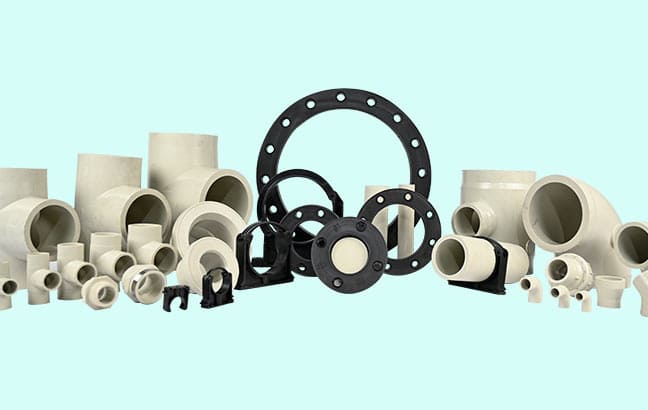
What Is High Purity Piping System?
A high purity piping system is a fluid transport network engineered to minimise contamination of the process media it carries. This is achieved through the choice of high-purity resins such as PVDF and PFA, which have low extractable content and excellent chemical resistance; the use of orbital or precision fusion welding techniques that create smooth, crevice-free internal joints; and fabrication practices that limit particle generation, such as clean cutting and controlled handling. High purity piping systems are commonly validated through resistivity testing, total organic carbon (TOC) testing, and particle counting to confirm the system meets the purity specification required for ultra-pure water (UPW), chemical delivery, or specialty gas distribution.
Why Choose DF Piping
- Expertise in PVDF, PFA and high-purity PP piping systems for ultra-pure water and chemical delivery applications.
- Precision fusion welding techniques that minimise internal joint irregularities and particle generation.
- Controlled fabrication practices, including clean handling and packaging protocols, to protect system purity before installation.
- Validation testing support including resistivity, TOC and particle count verification.
- Experience delivering high purity piping for semiconductor fabs and pharmaceutical facilities across India.
DF Piping has developed specialised capability in high purity piping systems, recognising that these projects demand a different level of process control than standard industrial piping.
Materials & Technologies We Use
- PVDF for high-purity chemical and ultra-pure water systems requiring strong chemical resistance.
- PFA for the most demanding ultra-high-purity applications, particularly in semiconductor fabs.
- High-purity PP for UPW distribution where PVDF-level purity is not required.
- PTFE-lined components for connections requiring maximum chemical inertness.
High purity piping projects executed by DF Piping typically use the following materials, selected based on the required purity level and chemical compatibility.
Industries We Serve
- Semiconductor and microelectronics fabrication
- Pharmaceutical and biotechnology manufacturing
- Ultra-pure water generation plants
- Specialty gas distribution systems
- Diagnostics and life sciences laboratories
High purity piping systems from DF Piping are engineered for industries where product or process purity directly affects yield, safety or regulatory compliance.
Key Applications
- Ultra-pure water (UPW) generation and distribution loops
- High-purity chemical delivery systems for wafer processing
- Clean dry air and specialty gas distribution
- Water-for-injection (WFI) and purified water systems in pharma facilities
- Point-of-use chemical dispense systems
Common applications for high purity piping systems designed by DF Piping include:
Benefits of Choosing DF Piping
- Protected product yield, since contamination-free process fluids directly support consistent manufacturing outcomes in semiconductor and pharmaceutical processes.
- Regulatory and audit readiness, with documented validation testing supporting compliance requirements in regulated industries.
- Reduced risk of costly batch failures or wafer scrap caused by piping-related contamination events.
- Long-term system reliability, as high-purity materials like PVDF and PFA resist degradation from repeated chemical and sanitisation exposure.
- Easier system validation and qualification, supported by complete weld maps and material traceability documentation.
Investing in a properly engineered high purity piping system delivers benefits that extend well beyond simple fluid transport.
Common Challenges We Solve
High purity applications leave very little margin for error — a single poorly executed joint or an incorrectly selected material can introduce particles or leachables that compromise an entire production batch. Facilities that have experienced contamination events often trace the root cause back to piping systems installed without adequate attention to purity-specific fabrication practices, such as inadequate control of dust during cutting, or welding techniques that leave internal weld beads capable of harbouring bacteria. DF Piping's high purity piping systems are engineered specifically to prevent these failure modes, using precision fusion techniques, controlled fabrication environments, and validation testing protocols that give clients confidence their systems will support, rather than compromise, their process purity requirements.
Quality Standards & Compliance
- Quality assurance for high purity piping systems is significantly more stringent than for general industrial piping. DF Piping follows controlled fabrication procedures, including limiting exposure of pipe interiors to dust and contaminants during cutting and joining, and using precision fusion equipment calibrated for consistent weld quality. Where required, we support validation protocols such as resistivity monitoring for UPW systems, TOC testing to verify organic contamination levels, and particle counting to confirm the system meets cleanroom-grade purity requirements. Complete documentation, including weld maps and material certifications, is provided to support the client's own qualification and validation processes.
Our Process
- Our approach to high purity piping projects begins with a detailed review of the required purity specification, whether that is defined by SEMI standards for semiconductor applications or pharmacopoeial requirements for pharmaceutical water systems. Material and jointing methods are selected accordingly, and fabrication is carried out under controlled conditions to limit contamination risk. Site installation follows strict handling protocols, with open pipe ends capped between work stages to prevent ingress of dust or moisture. After installation, systems are flushed, tested, and where applicable, passivated or sanitised before validation testing is performed to confirm the system meets its purity specification.
FAQs About High Purity Piping System
Q1. What materials are used for high purity piping systems?
PVDF and PFA are the most common materials for high purity applications due to their low extractable content and strong chemical resistance, with high-purity PP used for less demanding purity requirements.
Q2. How is purity verified after installation?
Depending on the application, we support resistivity testing, total organic carbon (TOC) testing and particle counting to confirm the installed system meets its specified purity level.
Q3. Do you fabricate high purity piping systems for semiconductor fabs?
Yes, we have experience delivering high purity piping systems for semiconductor and electronics manufacturing facilities, including UPW and chemical delivery lines.
Q4. Can high purity piping systems be used for pharmaceutical water?
Yes, high purity PVDF and PP systems are commonly used for purified water and water-for-injection distribution in pharmaceutical manufacturing.
Q5. What jointing method is used for high purity systems?
We use precision fusion welding techniques designed to produce smooth, crevice-free joints that minimise particle generation and bacterial harbourage points.
Q6. How long does validation testing typically take for a high purity system?
Validation timelines depend on the specific protocol required, but our team works closely with client quality departments to schedule and support testing efficiently alongside the installation programme.
Q7. Can existing piping systems be upgraded to high purity standards?
In many cases, yes, though this often requires replacing sections with high-purity materials and precision-welded joints rather than modifying existing standard-grade piping.
Choosing the Right Partner
Specifying a high purity piping system requires close collaboration between the process engineering team and the piping contractor from the earliest design stages, since purity requirements often influence decisions well beyond material selection alone, including layout, support design, and even the sequencing of installation activities to minimise contamination risk. When evaluating high purity piping contractors, ask about their specific experience with your industry's purity standards, whether SEMI guidelines for semiconductor applications or pharmacopoeial requirements for pharmaceutical water systems, and request examples of validation documentation they have provided on previous projects. DF Piping's engineering team engages directly with client process teams during the design phase to ensure purity requirements are understood and addressed comprehensively, rather than left to be resolved during installation. This collaborative approach reduces the risk of costly rework and helps ensure the completed system passes validation testing on the first attempt, protecting both project schedule and budget.
Industry Outlook
Demand for high purity piping systems in India is closely tied to the growth of the country's semiconductor and pharmaceutical manufacturing sectors, both of which are expanding significantly as global supply chains diversify and domestic manufacturing capacity increases. This growth brings with it rising expectations around purity validation, documentation and international standard compliance, as facilities being built to serve global markets must meet the same quality benchmarks as their counterparts elsewhere in the world. DF Piping has positioned itself to support this growth by continuously refining our precision fabrication practices and expanding our capability to support validation documentation aligned with international standards such as SEMI guidelines and pharmacopoeial requirements. We view the growing sophistication of India's high purity manufacturing sector as a long-term opportunity to deepen our technical expertise, and we remain committed to investing in the training, equipment and quality systems needed to support this critical and rapidly evolving segment of Indian industry.
Conclusion
When contamination is not an option, DF Piping's high purity piping systems deliver the reliability and validated performance that semiconductor and pharmaceutical operations depend on. Reach out to our team to discuss your purity specifications.
Built for Demanding Industrial Applications
- Corrosion-resistant piping systems
- Precision-engineered installations
- Reliable fusion welding technology
- Complete project support